Every content creator knows the struggle. You’ve captured the perfect shot, but the file size is massive. Your website loads slowly, social media platforms reject your upload, or email attachments bounce back. Sound familiar?
Whether you’re a blogger optimizing images for SEO, a designer preparing graphics for clients, or a small business owner managing product photos, you need reliable image tools that won’t break the bank. The good news? You don’t need expensive software anymore. Modern browser-based image tools handle compression, conversion, and enhancement instantly—all without downloading bulky programs or compromising your privacy.
Let’s explore how free image tools can transform your creative workflow and solve those everyday image headaches.
What Are Free Image Tools?
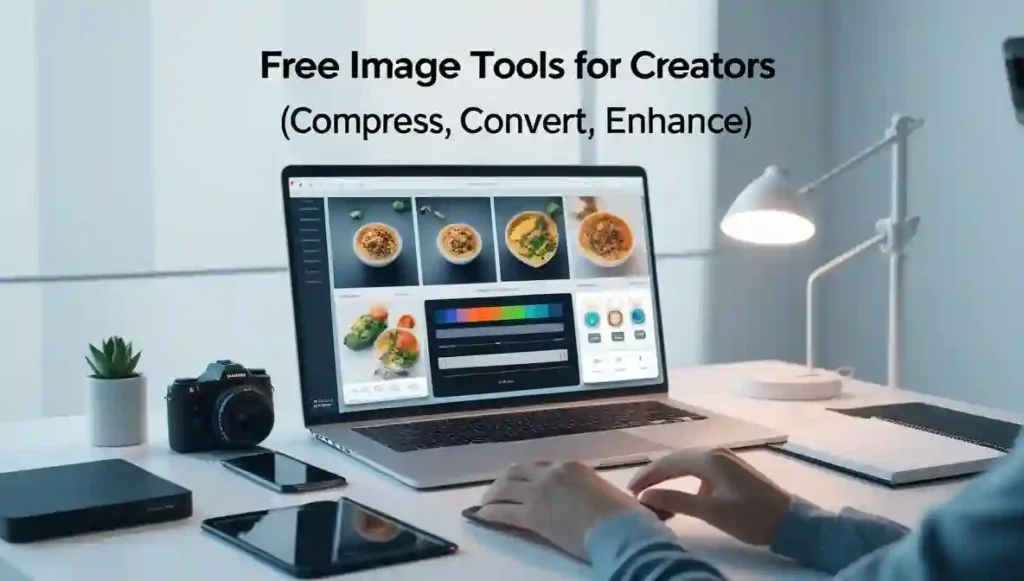
Free image tools are online applications that help you modify, optimize, and improve your digital images without any cost. These browser-based solutions handle three core functions: compression (reducing file size), conversion (changing file formats), and enhancement (improving visual quality).
Unlike traditional photo editing software that requires installation and often comes with hefty subscription fees, these tools work directly in your web browser. Upload your image, select your preferred settings, and download the optimized result within seconds. No technical expertise required.
The beauty of modern image optimization tools lies in their simplicity. A photographer can compress dozens of high-resolution photos before uploading to a portfolio site. An e-commerce manager can batch convert product images to WebP format for faster loading times. A marketer can enhance social media graphics without touching Photoshop.
Why Image Optimization Matters for Your Content
Before diving into specific tools, let’s understand why image optimization isn’t optional anymore—it’s essential.
Website Performance: Google considers page speed a ranking factor. Large, unoptimized images are the number one culprit behind slow websites. A single 5MB photo can add precious seconds to your load time, frustrating visitors and hurting your search rankings.
User Experience: Studies show that 53% of mobile users abandon sites that take longer than three seconds to load. When you compress images properly, you’re not just improving technical metrics—you’re keeping real people engaged with your content.
Storage and Bandwidth: Whether you’re managing a personal blog or an e-commerce platform, storage costs add up. Optimized images mean lower hosting expenses and reduced bandwidth consumption, especially important if you’re on a limited plan.
SEO Benefits: Search engines reward websites that deliver fast, accessible content. Properly formatted images with appropriate file sizes contribute to better Core Web Vitals scores, directly impacting your visibility in search results.
Image Compression: Shrink Files Without Losing Quality
Image compression is the process of reducing file size while maintaining acceptable visual quality. Think of it as packing a suitcase efficiently—you fit everything you need without making it unnecessarily heavy.
How Image Compression Works
There are two main compression methods: lossless and lossy. Lossless compression removes unnecessary metadata and redundant data without affecting how the image looks. It’s perfect for graphics, logos, and images where every pixel matters. Lossy compression achieves smaller file sizes by selectively discarding information your eye won’t notice. This works wonderfully for photographs and complex images.
Modern compression tools use smart algorithms that analyze your image and apply the optimal compression level. You can typically reduce file sizes by 50-80% without visible quality degradation—a game-changer for anyone managing digital content.
When You Need Image Compression
Consider compression essential when you’re dealing with web images, email attachments, or social media uploads. Many platforms have strict file size limits: LinkedIn profile photos must be under 8MB, Instagram recommends images under 1MB for optimal performance, and email services often cap attachments at 25MB total.
For website optimization, aim for images under 100-200KB for standard photos and under 50KB for thumbnails. These targets ensure fast loading across all devices and connection speeds. Bulk image compression becomes invaluable when you’re launching a new website or refreshing an existing one with hundreds of product photos or blog images.
Image Conversion: Switch Formats Effortlessly
Different situations call for different image formats. A PNG works beautifully for logos with transparent backgrounds, but it’s overkill for a simple photograph. JPG excels at photographs but doesn’t support transparency. WebP offers superior compression for modern browsers but isn’t universally supported yet.
Understanding Common Image Formats
JPG (JPEG): The standard for photographs and complex images with many colors. Offers excellent compression but doesn’t support transparency. Perfect for blog photos, portraits, and product photography where file size matters more than pixel-perfect accuracy.
PNG: Ideal for graphics, logos, and images requiring transparency. Larger file sizes than JPG but maintains crisp edges and supports alpha channels. Choose PNG when you need sharp text, simple graphics, or transparent backgrounds.
WebP: Google’s modern format that delivers 25-35% smaller file sizes compared to JPG and PNG while maintaining quality. Increasingly supported across browsers, making it excellent for website optimization. Consider WebP your go-to format for 2024 and beyond.
SVG: Vector format perfect for logos, icons, and illustrations that need to scale infinitely without quality loss. Text-based and incredibly small, SVG files are ideal for responsive design elements.
Practical Conversion Scenarios
Converting formats becomes necessary when platforms have specific requirements or when optimizing for performance. You might convert HEIC photos from your iPhone to JPG for broader compatibility, transform a PDF page into a shareable image, or batch convert your entire image library to WebP for improved website speed.
Free online converters handle these tasks instantly. Upload your file, select the output format, adjust quality settings if needed, and download the result. No installation, no learning curve, no hassle.
Image Enhancement: Improve Visual Quality
Sometimes your images need more than size reduction—they need actual improvement. Maybe the photo is slightly blurry, the colors look washed out, or the lighting wasn’t perfect when you took the shot.
Basic Enhancement Features
Modern image enhancement tools offer several key improvements without requiring professional editing skills:
Sharpness and Clarity: Counteract slight blur or soften oversharpened images. Useful for photos that lost detail during compression or weren’t perfectly focused.
Brightness and Contrast: Fix underexposed or overexposed photos. Automatically balance light and dark areas to make images more visually appealing.
Color Correction: Adjust saturation, vibrancy, and color temperature. Transform dull images into eye-catching visuals or correct color casts from poor lighting.
Noise Reduction: Clean up grainy photos taken in low light. Particularly valuable for smartphone photography where high ISO settings create unwanted noise.
AI-Powered Enhancement
Recent advances in artificial intelligence have revolutionized image enhancement. AI tools can now upscale images intelligently, reconstruct detail that wasn’t captured, and apply sophisticated improvements that once required expert skills.
These AI enhancers analyze your image, identify issues, and apply targeted corrections. A portrait might receive skin smoothing and eye enhancement, while a landscape gets sky detail recovery and color grading. The results often exceed what manual editing achieves, especially for users without professional training.
How to Use Free Image Tools Effectively
Getting started with online image tools takes just minutes. Here’s a straightforward approach that works for any tool:
Step 1: Choose the right tool for your task. Need compression? Look for dedicated image compressors. Converting formats? Select an image converter. Want multiple operations? Pick an all-in-one solution.
Step 2: Upload your image by dragging and dropping it into the browser window or clicking the upload button. Most tools support batch processing, so you can handle multiple images simultaneously.
Step 3: Configure your settings. For compression, select your target file size or quality level. For conversion, choose your desired output format. For enhancement, preview changes before finalizing.
Step 4: Process and download. Hit the compress, convert, or enhance button and wait a few seconds. Download your optimized image or entire batch with one click.
Pro tip: Keep your original files backed up before making changes. While these tools are reliable, maintaining source files gives you flexibility for future edits.
Why Choose Toolify Worlds for Your Image Needs?
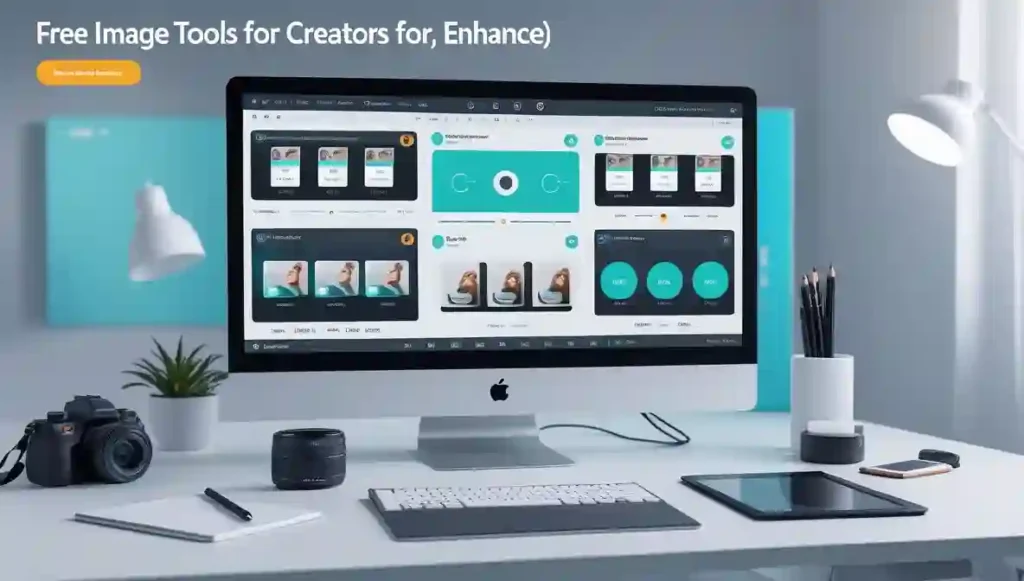
Toolify Worlds brings together comprehensive image optimization capabilities in one accessible platform. Instead of juggling multiple websites and bookmarks, you access everything through a single, intuitive interface.
Complete Tool Collection: From basic compression to advanced format conversion and AI enhancement, Toolify Worlds covers every image optimization scenario. No need to search for different tools—everything you need lives in one place.
Privacy-Focused Processing: Your images are processed securely without storing them on external servers. What you upload gets processed and deleted immediately after you download the result. Your creative work remains private, always.
Zero Cost, Zero Restrictions: Access professional-grade image tools without subscriptions, watermarks, or artificial limitations. Process as many images as you need, whenever you need them.
Lightning-Fast Performance: Cloud-based processing delivers results in seconds, not minutes. Whether you’re optimizing one image or one hundred, speed remains consistent.
Regular Updates: New tools and features get added regularly based on user needs and emerging web standards. The platform evolves alongside digital content creation trends.
Who Can Benefit From These Image Tools?
Content Creators and Bloggers: Optimize featured images, compress photo galleries, and ensure fast page loading. Reduce image sizes to meet SEO best practices while maintaining visual appeal for readers.
Small Business Owners: Prepare product photos for e-commerce platforms, resize images for social media marketing, and create optimized graphics for email newsletters—all without hiring a designer.
Web Developers: Batch convert entire image libraries to modern formats like WebP, compress assets before deployment, and optimize images to improve Core Web Vitals scores for client websites.
Social Media Managers: Resize images for different platform requirements, compress videos and photos for faster uploads, and enhance visual content to stand out in crowded feeds.
Students and Educators: Compress assignment attachments, convert screenshots for presentations, and optimize images for online learning platforms with file size restrictions.
Photographers: Prepare portfolio images for web display, create thumbnail versions of high-resolution photos, and convert RAW files to shareable formats for client previews.
Advanced Tips for Image Optimization
Beyond basic compression and conversion, these strategies maximize your results:
Choose the Right Compression Level: For web images, 70-85% quality typically offers the best balance between file size and visual appearance. Higher compression works for thumbnails, while critical images deserve lighter compression.
Optimize Dimensions First: Before compressing, resize images to their display dimensions. A 4000px photo displayed at 800px wastes bandwidth. Scale down first, then compress for maximum efficiency.
Use WebP When Possible: Modern browsers widely support WebP format, which delivers smaller files than JPG or PNG. Convert your image library progressively to benefit from improved performance.
Leverage Batch Processing: When updating a website or preparing multiple images, use batch tools to process dozens or hundreds of files simultaneously. This saves enormous amounts of time.
Preserve Metadata Strategically: Some compression tools strip EXIF data by default. For photography portfolios, preserve camera settings and copyright information. For web images, removing metadata further reduces file size.
Test Before Deploying: Always preview compressed or enhanced images before publishing. What looks acceptable on a large monitor might reveal compression artifacts on mobile devices.
Frequently Asked Questions
Is it safe to use free online image tools?
Yes, reputable platforms like Toolify Worlds process images securely and delete them immediately after conversion. Your files aren’t stored or shared. However, avoid uploading sensitive documents to unknown websites.
How much can I compress an image before quality suffers?
This depends on the image type. Photographs typically handle 50-70% size reduction without visible quality loss. Graphics with text or fine details are more sensitive. Always preview results before finalizing.
What’s the difference between JPG and PNG formats?
JPG uses lossy compression and works best for photographs with many colors. PNG uses lossless compression, supports transparency, and suits graphics, logos, and images with sharp edges or text.
Can I compress images without losing quality?
Partially. Lossless compression removes unnecessary data without affecting pixels, achieving 10-30% reduction. Lossy compression achieves much smaller files (50-80% reduction) by selectively discarding information your eye won’t notice.
Which image format loads fastest on websites?
WebP typically offers the best compression and quality balance, loading 25-35% faster than JPG. However, JPG remains universally supported. Use WebP with JPG fallbacks for optimal compatibility and performance.
Do I need to download software for image compression?
Not anymore. Modern browser-based tools handle compression, conversion, and enhancement without installation. They work on any device with internet access, including smartphones and tablets.
How do I batch compress multiple images at once?
Most online image tools support batch processing. Simply select or drag multiple files into the upload area. The tool processes all images using your chosen settings and provides a single download containing all optimized files.
What resolution is best for web images?
For full-width images, 1920-2400px width covers most desktop displays. For blog content, 800-1200px width works well. Always use responsive images that serve appropriate sizes based on device screen size.
The Future of Image Optimization
As web standards evolve and mobile traffic continues dominating, image optimization becomes increasingly critical. New formats like AVIF promise even better compression, while AI-powered tools make professional-quality enhancement accessible to everyone.
The trend toward faster, more visual web experiences means content creators must prioritize image optimization. Fortunately, tools continue improving, offering more power with less complexity. What required expensive software and expert knowledge five years ago now happens in seconds through your browser.
Start Optimizing Your Images Today
You don’t need a design degree or expensive software to create optimized, professional-looking images. Free online tools democratize image optimization, making it accessible whether you’re launching your first blog or managing an established business.
The impact extends beyond technical improvements. Faster websites create better user experiences, leading to higher engagement, improved SEO rankings, and ultimately, better results for your content or business. Every image you optimize contributes to these goals.
Ready to transform your image workflow? Visit Toolify Worlds and explore the complete collection of compression, conversion, and enhancement tools. Upload your first image and experience the difference optimized visuals make. Your website visitors, search rankings, and storage costs will thank you.
Remember—in today’s visual web, optimized images aren’t optional extras. They’re fundamental building blocks of successful online presence. Start optimizing now, and watch your digital content perform better across every platform.